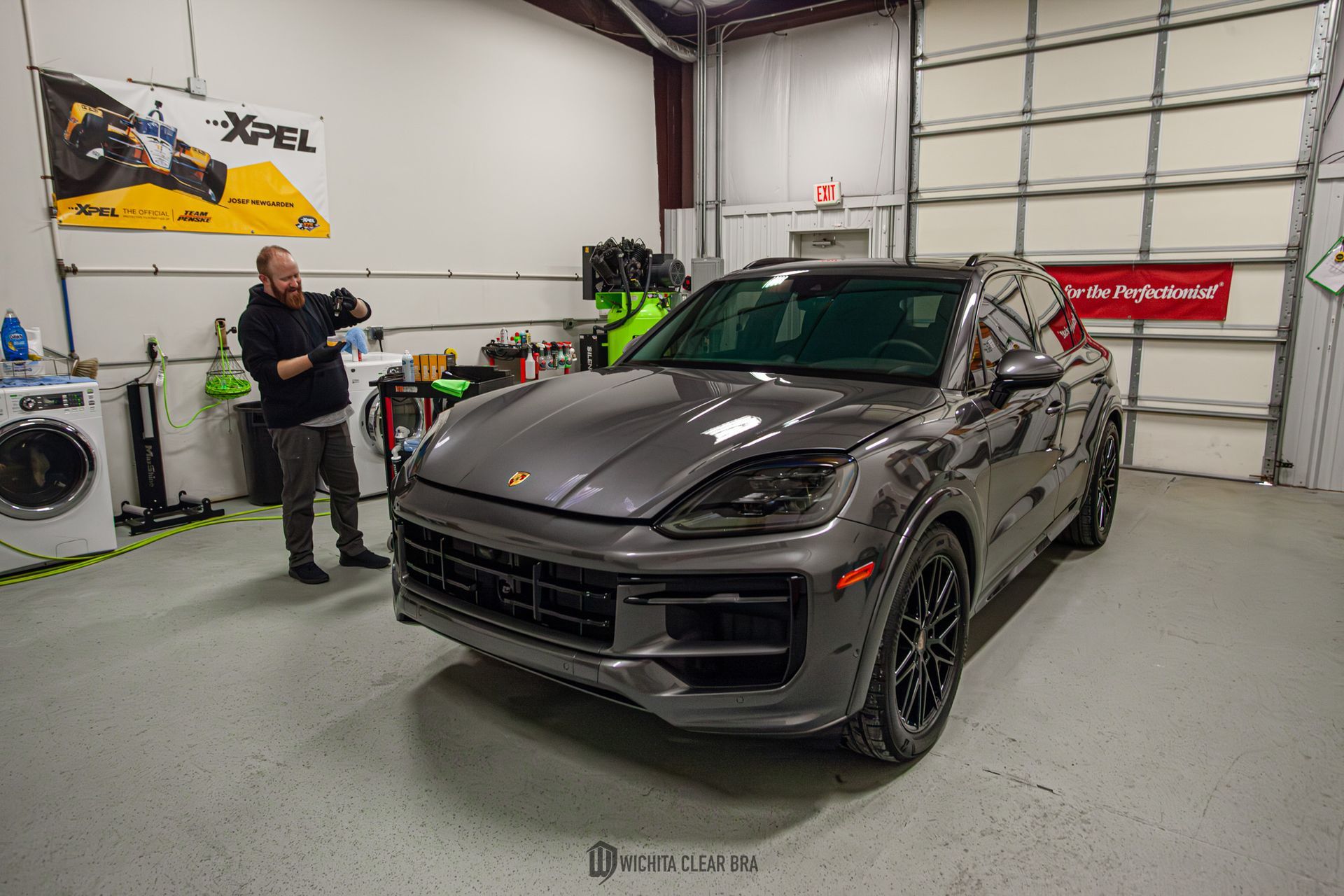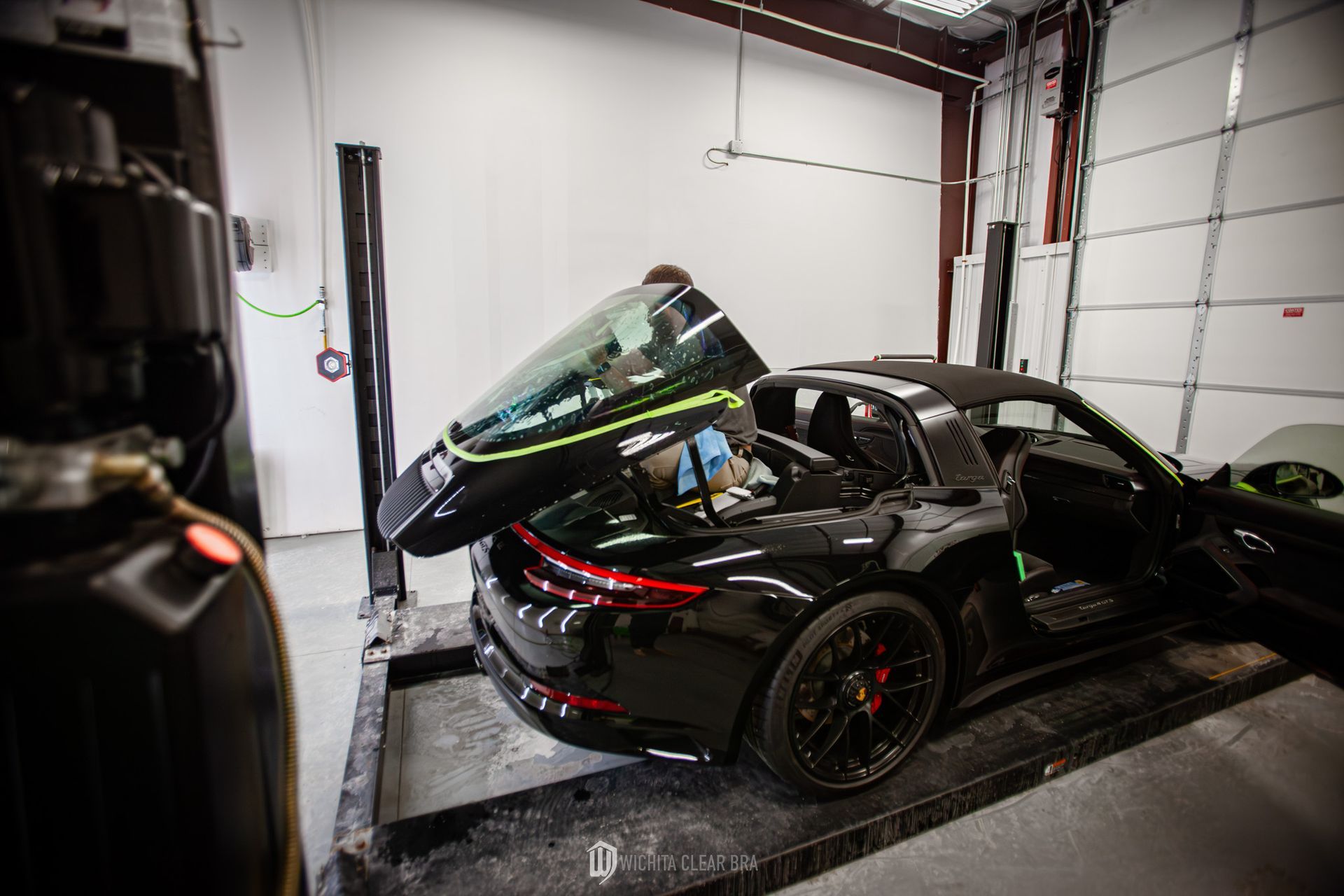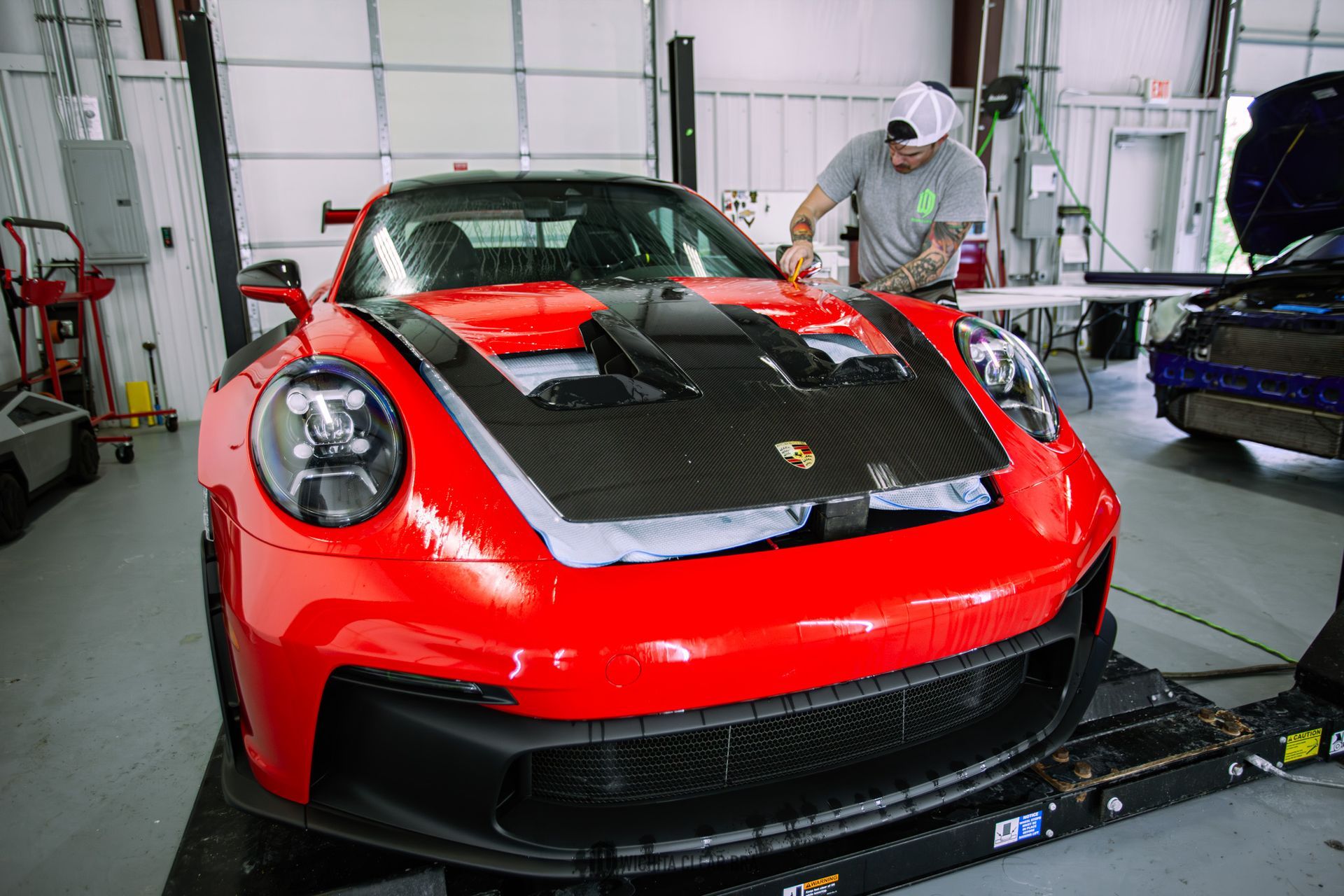
Paint Protection Film FAQs
Answering the Internet's Most Common Questions About Paint Protection Film (PPF)
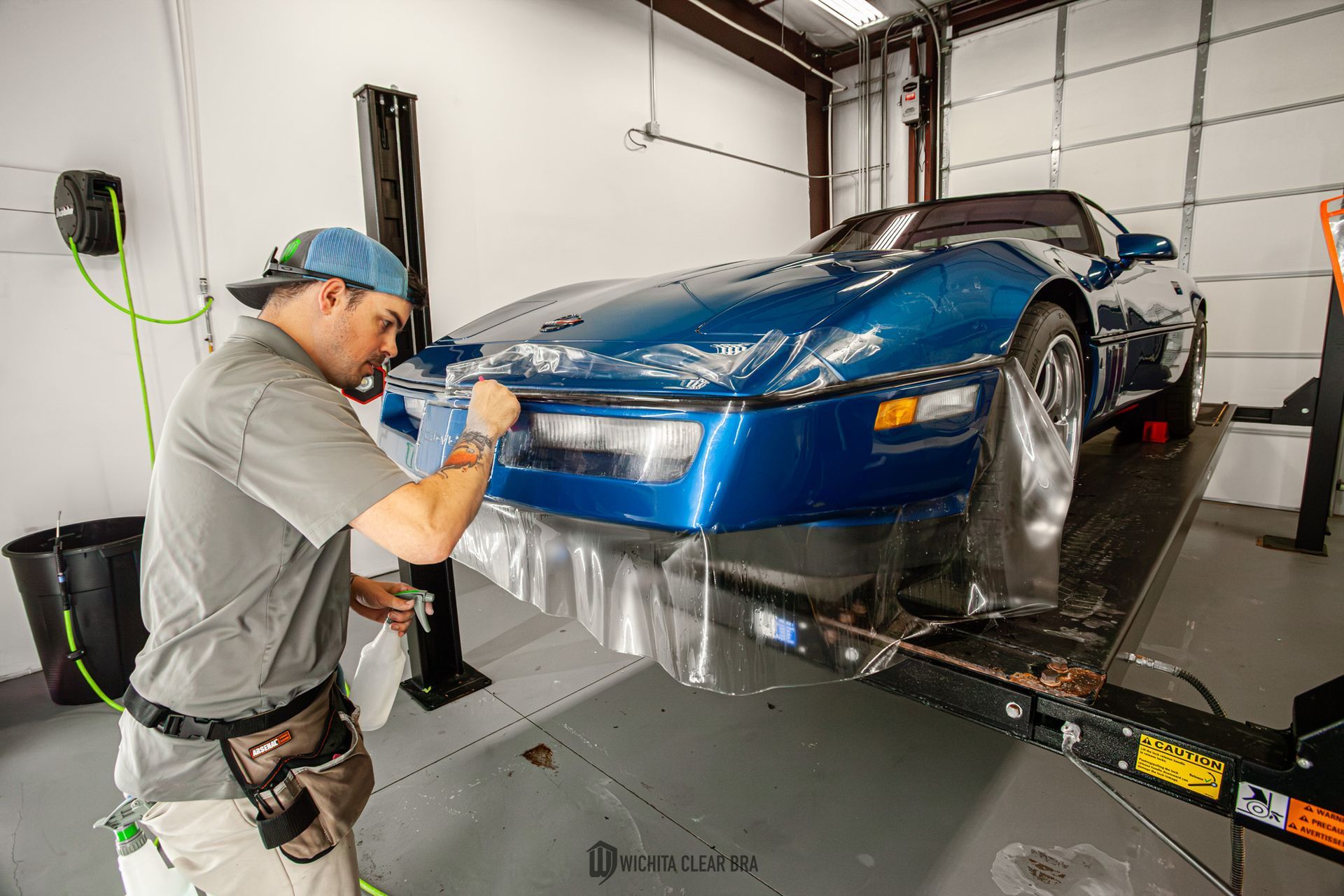
Whether you call it clear bra, clear shield, paint protection film, or simply "that clear stuff that protects my paint," our goal at Wichita Clear Bra is to
clear things up for you. We want to equip you with accurate, straightforward information so you can make an informed decision regarding your vehicle protection goals.
What is PPF and what does it actually protect against?
Paint protection film (PPF) is a transparent, durable polyurethane film designed to protect a vehicle's paint from scratches, chips, stains, and environmental damage. PPF maintains the car's aesthetic appeal while providing long-lasting protection against everyday wear and tear. Many modern films, like XPEL ULTIMATE, also have self-healing topcoats that can repair minor scratches and swirl marks.
How much does PPF cost and is it worth it?
Cost varies substantially based on the vehicle, amount of coverage, film used, installation method, labor rates, and installer experience.
Yes, we believe Paint Protection Film (PPF) is worth the cost as it provides superior protection against scratches, chips, and more, helping to maintain your vehicle's resale value and appearance over time. Investing in PPF can save on costly repairs and repainting, making it a smart long-term investment for car owners. But ultimately, you have to decide what it's worth to you.
How long does PPF last?
Paint Protection Film (PPF) typically lasts between 5 to 10 years, depending on factors such as the quality of the film, installation techniques, and environmental conditions. Driving style, road conditions, maintenance regimen, climate, and mileage all impact overall durability. High-quality films like XPEL offer durable protection and are backed by substantial warranties, ensuring your vehicle remains safeguarded against scratches, chips, and UV damage for an extended period.
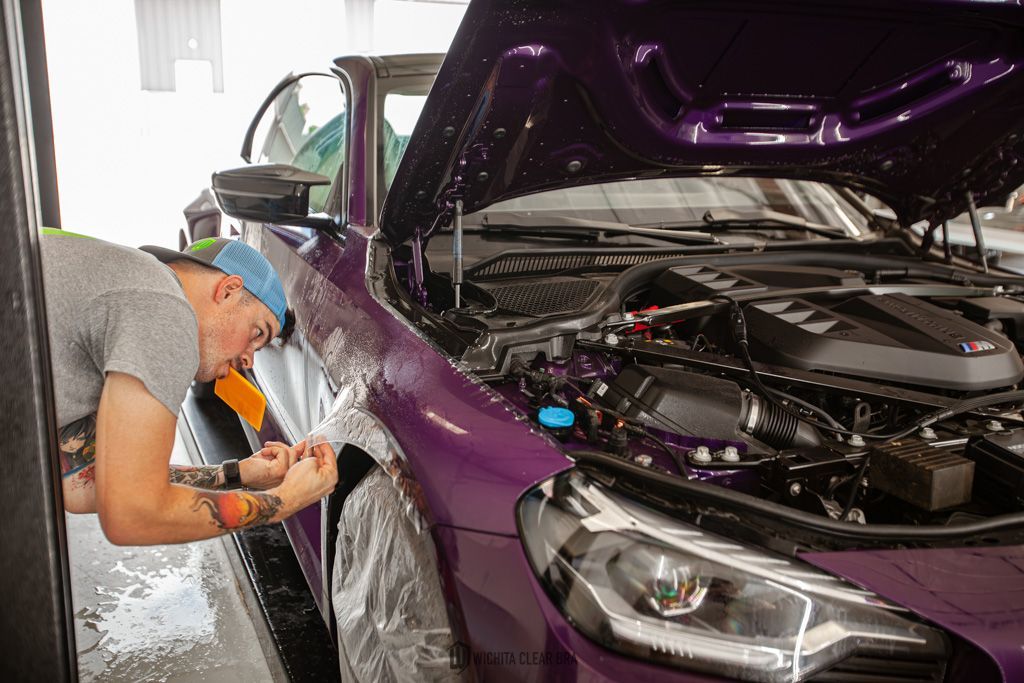
Does PPF yellow over time?
Modern premium PPF is designed to resist yellowing, and manufacturers provide warranties against yellowing and other film defects. For example, XPEL's 10-year warranty covers yellowing, staining, cracking, peeling, bubbling, and delamination.
Does PPF really prevent rock chips and scratches?
It can significantly reduce paint damage from those hazards, but it isn't indestructible.
PPF is specifically designed to absorb impacts from things like rocks and road debris. Minor surface scratches and swirl marks can also self-heal on films with a self-healing topcoat. However, a sufficiently severe impact or scratch can penetrate the film itself.
Can PPF be removed without damaging the paint?
In most circumstances, yes.
When done correctly, removing paint protection film (PPF) will not harm your vehicle’s paint. High-quality films like XPEL are designed to be safely removed, leaving the original paint intact and free from residue, helping ensure your car maintains its aesthetic appeal without damage.
It’s worth noting, however, a couple of unique removal circumstances that could present a greater risk of paint damage.
- Severely aged or cracked PPF
- PPF applied too soon to a freshly painted vehicle
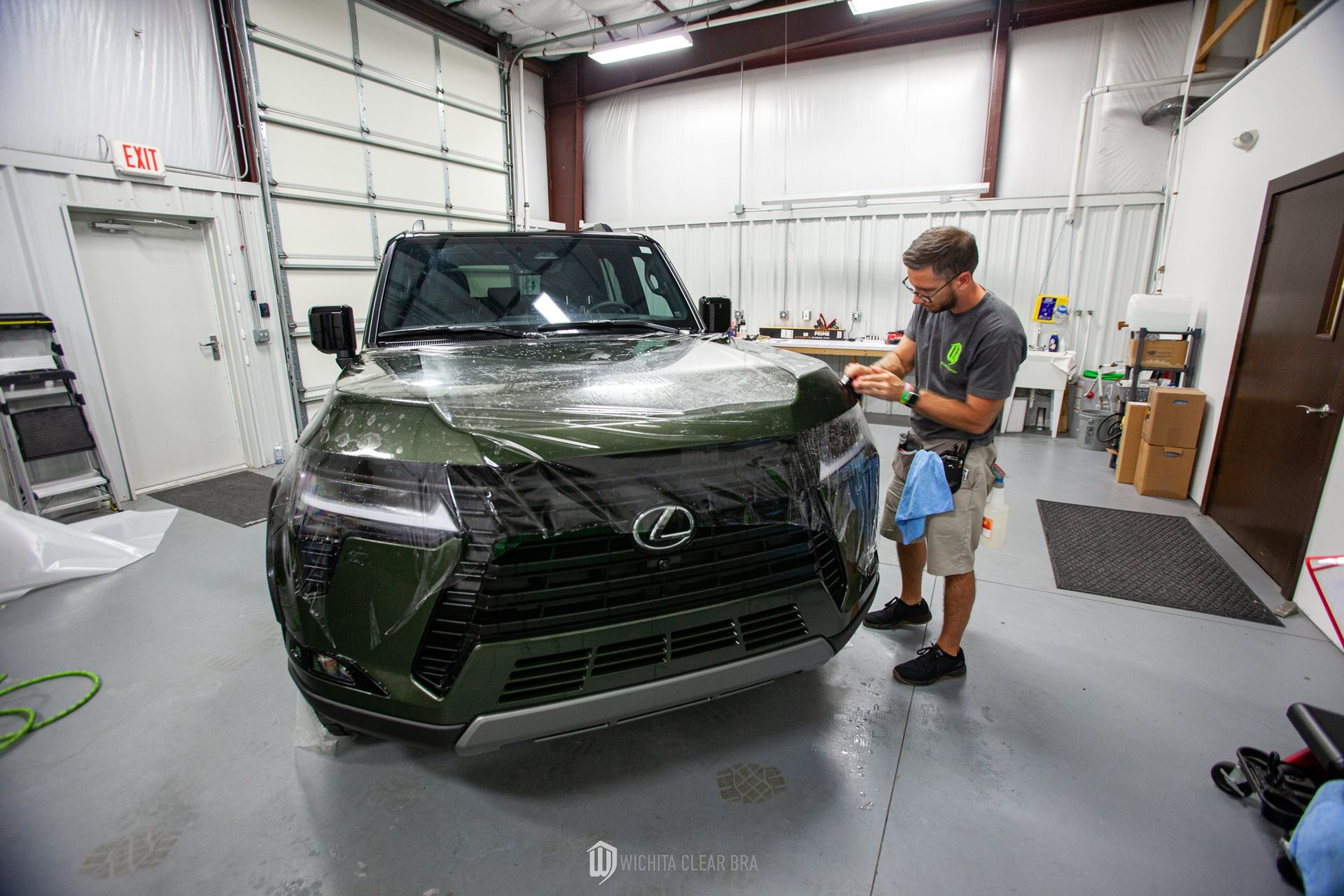
What's the difference between PPF and ceramic coating?
PPF (paint protection film) and ceramic coating each offer unique benefits, but PPF is generally better for preventing physical damage like scratches and chips due to its thicker, impact-resistant layer. Ceramic coating excels at providing a hydrophobic surface that repels water, dirt, and contaminants, enhancing the vehicle's shine and making maintenance easier. For comprehensive protection, many car owners choose to combine both PPF and ceramic coating.
How do you maintain and wash a car with PPF?
For the very best results, we recommend a 2x2 bucket hand wash utilizing a pH-neutral automotive shampoo and a soft microfiber wash pad. Rinse thoroughly with clean water and dry with a microfiber towel to maintain the film's clarity and performance. Regular maintenance is the key to long term surface preservation.
Will an automatic car wash damage paint protection film?
While high-quality Paint Protection Film (PPF) is designed to withstand various cleaning methods, frequent use of automatic car washes with harsh brushes can potentially damage the film over time. To ensure the longevity and effectiveness of PPF, it is recommended to use touchless car washes or hand washing techniques.
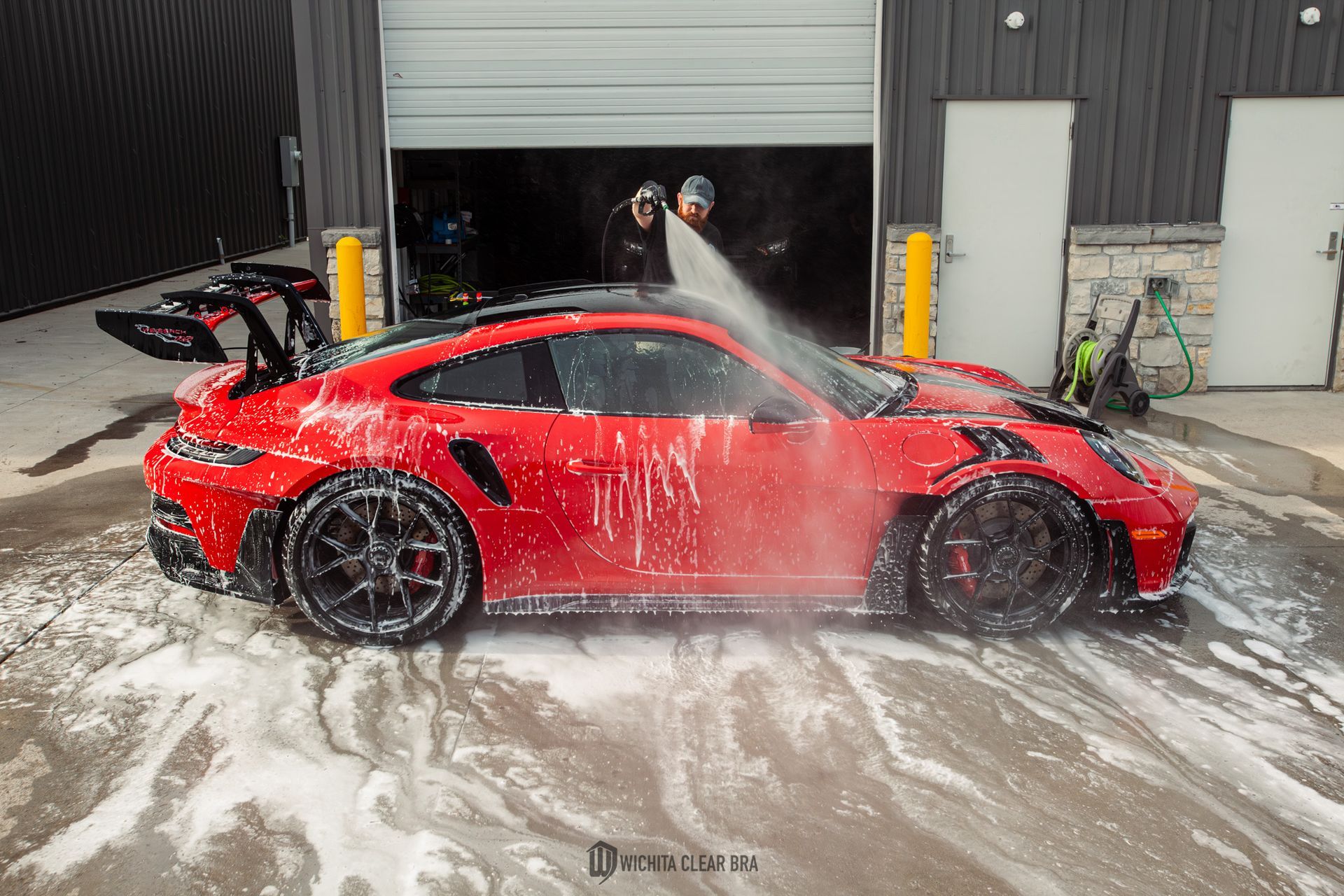
What's the difference between Clear Bra and Paint Protection Film (PPF)?
Paint Protection Film (PPF) and a clear bra are the exact same product.
Paint Protection Film (PPF): This is the modern, technical, and official industry-standard name for the material. While it can mean a front-end kit, "PPF" is more frequently used to describe comprehensive or full-body vehicle wraps.
Clear Bra: This is a colloquial nickname. Decades ago, car protection meant bulky black vinyl covers placed on a vehicle's nose for road trips. When clear urethane films arrived, people called them "clear bras". In the industry, the term usually refers to partial front-end coverage (the bumper, partial hood, and side mirrors).
How thick is Paint Protection Film (PPF)?
XPEL ULTIMATE PLUS, STEALTH, and COLOR PPF is 8 mil thick, providing robust protection against scratches, chips, and environmental contaminants. This thickness ensures durability while maintaining a nearly invisible appearance on the vehicle's surface.
PURE COLORED PPF is 8 mil thick and crafted using TPU (thermoplastic polyurethane) construction, ensuring a superior ultra-glossy finish that mirrors the look of a professional paint job as well as safeguarding your original paint from rock chips, deep scratches and everyday wear and tear.
What is the difference between regular PPF and STEALTH?
Regular PPF (Paint Protection Film) is designed to be clear and maintain the glossy appearance of a vehicle's paint, while XPEL STEALTH has a satin finish that transforms glossy paint into a matte look. Both types provide excellent protection against scratches, chips, and environmental damage.
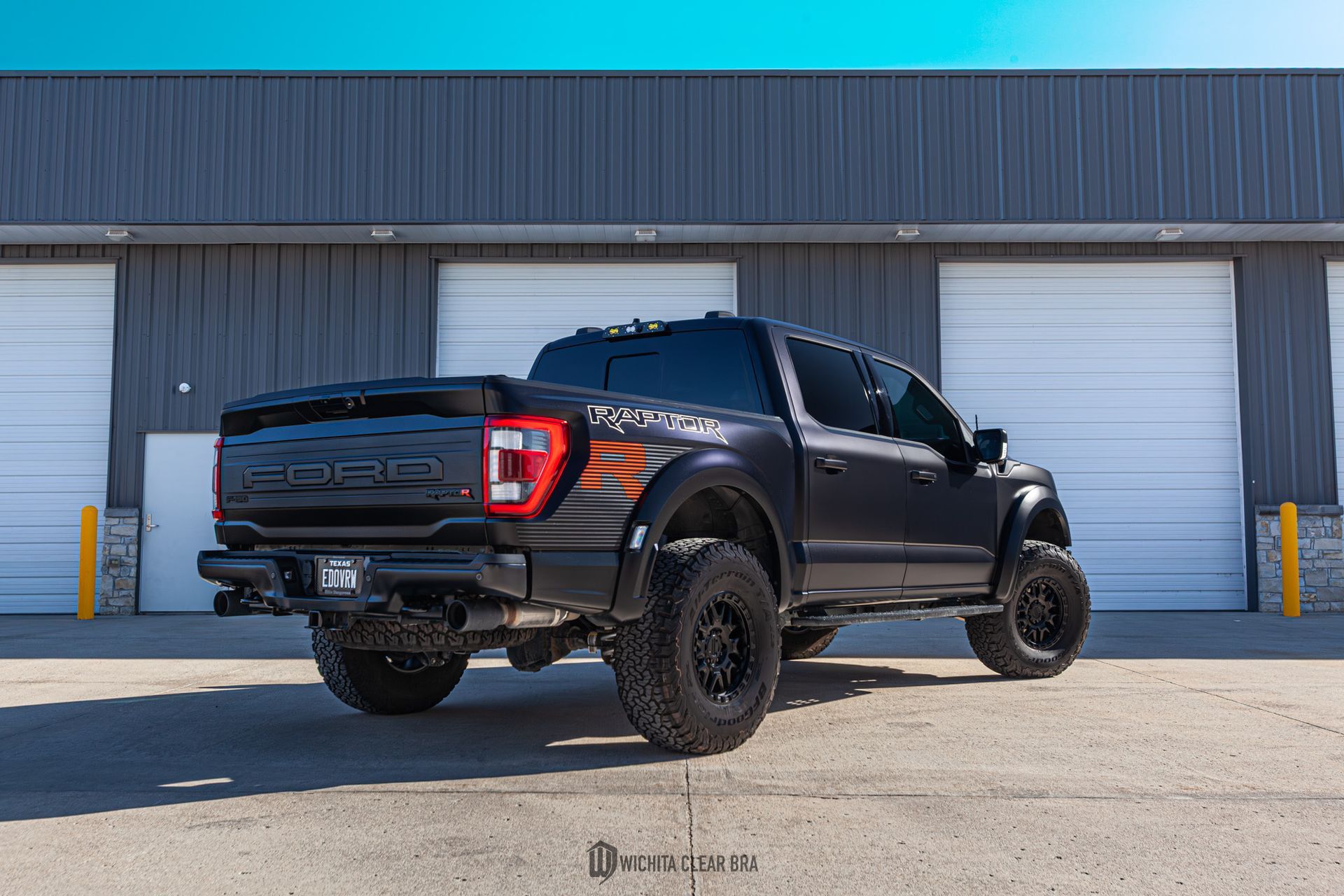
Does PPF Require a Paint Correction
We think the correct answer to this depends on your goals.
In our experience, PPF will usually cover up alot of the light defects present on newer vehicles. Light swirls, marring, or even bug splatter etchings can sometimes completely dissapear after being covered with PPF.
That being said, if you're goal is to start with a near-perfect surface, then getting a 1-Step Polish would be a great place to start before PPF.
How long should I wait to install PPF after getting paint/body shop repairs?
It is recommended that you wait at least 30 days after a vehicle has been refinished at a body shop before applying PPF (or a ceramic coating) to fresh paint.
This waiting period significantly reduces the risk of the PPF bonding to the paint during the curing process. If bonding occurs due to premature application, there is a greater likelihood that the paint could be damaged or removed if the PPF is ever taken off.
What areas of my vehicle should I protect with PPF?
We'd first need to understand your goals, but in general the most common areas to protect are high impact areas like the front bumper, headlights, front grille*, hood, fenders, mirror caps, and sometimes rockers and a-pillars + roof line. Common packages can be seen below.
*Grilles are omitted from most packages due to differeing styles and finishes of vehicle grilles but can be added to most jobs.
Partial Front
- Full Front Bumper (excluding trim and aero)
- Part of the Hood (18-24" up from leading edge)
- Part of the Fenders (will match hood line)
- Mirror Caps
Full Front
- Full Front Bumper (excluding trim and aero)
- Full Hood
- Full Fenders
- Headlamp/Foglamps
- Mirror Caps
Track Package
- Full Front Bumper (excluding trim and aero)
- Full Hood
- Full Fenders
- Headlamp/Foglamps
- Mirror Caps
- A-Pillar + Roof Line
- Rockers