Paint Correction Clarity
A Quick Guide on 1-Step Polish vs. 2-Step Paint Correction
We wanted to create some clarity—pun intended, around paint correction services and what you should expect when getting one of these services from our team.
Paint correction refers to the result, not the number of polishing steps. The number of steps determines how much defect removal is possible.
| Service | Purpose | Typical Defect Removal | Finish |
|---|---|---|---|
| 1-Step Polish | Improves gloss while removing light defects | ~40-70% | Noticeably glossier with most light swirls reduced |
| 2-Step Paint Correction | Maximizes defect removal and clarity | ~80-95% | Deep gloss with most swirls and scratches eliminated |
Every correction service starts with a complete exterior wash or isolated wash of the area(s) to be corrected.
1-Step Polish
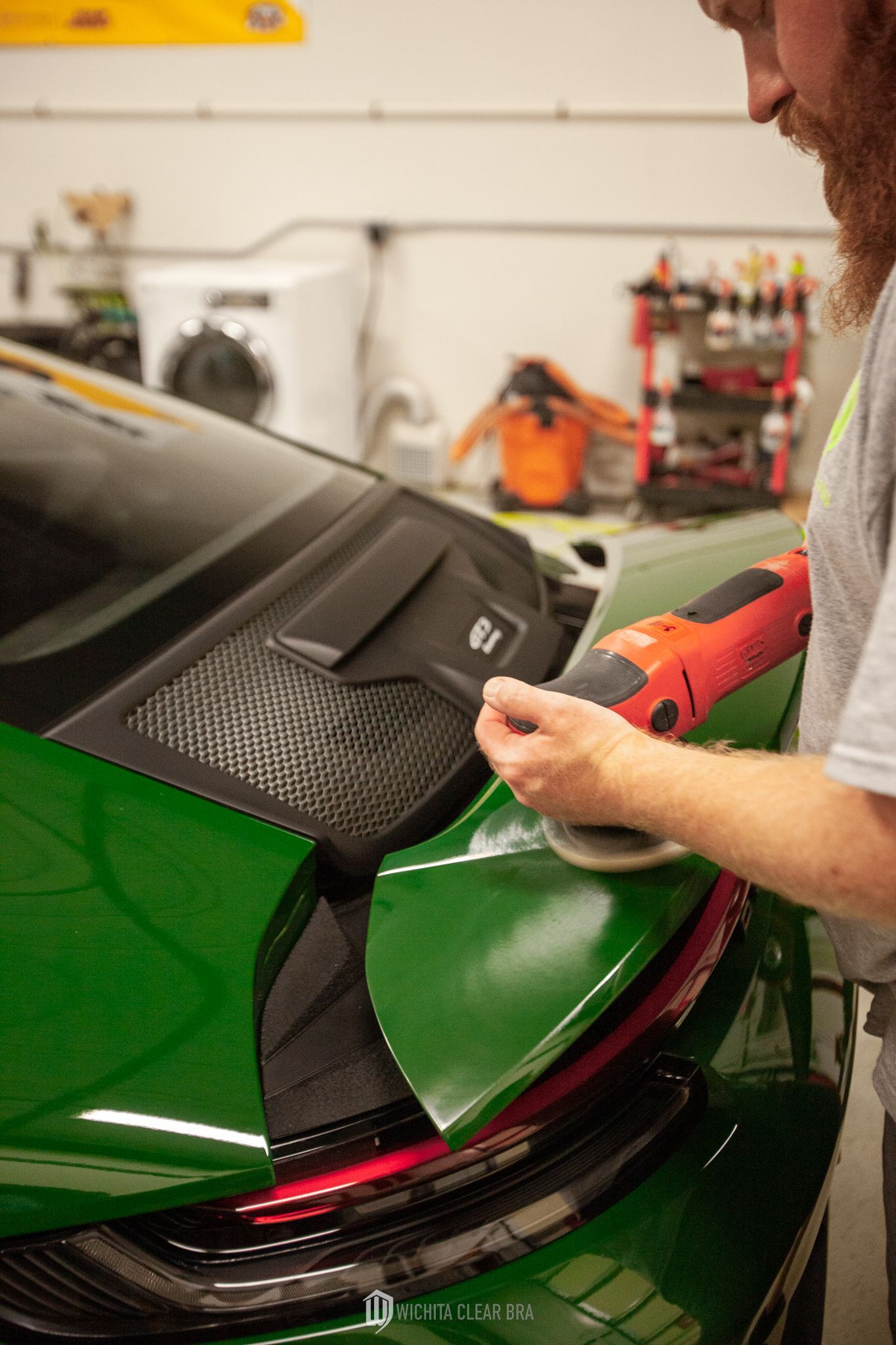
A 1-Step Polish is designed to significantly improve the appearance of your paint by removing light swirl marks, light oxidation, haze, and minor imperfections while dramatically increasing gloss and depth.
This service is ideal for newer vehicles or paint that is already in relatively good condition. It delivers a beautiful finish without the additional time required for more extensive correction.
BEST FOR
- Light swirl marks
- Light wash scratches
- Dull paint
- Preparing for a ceramic coating
2-Step Paint Correction
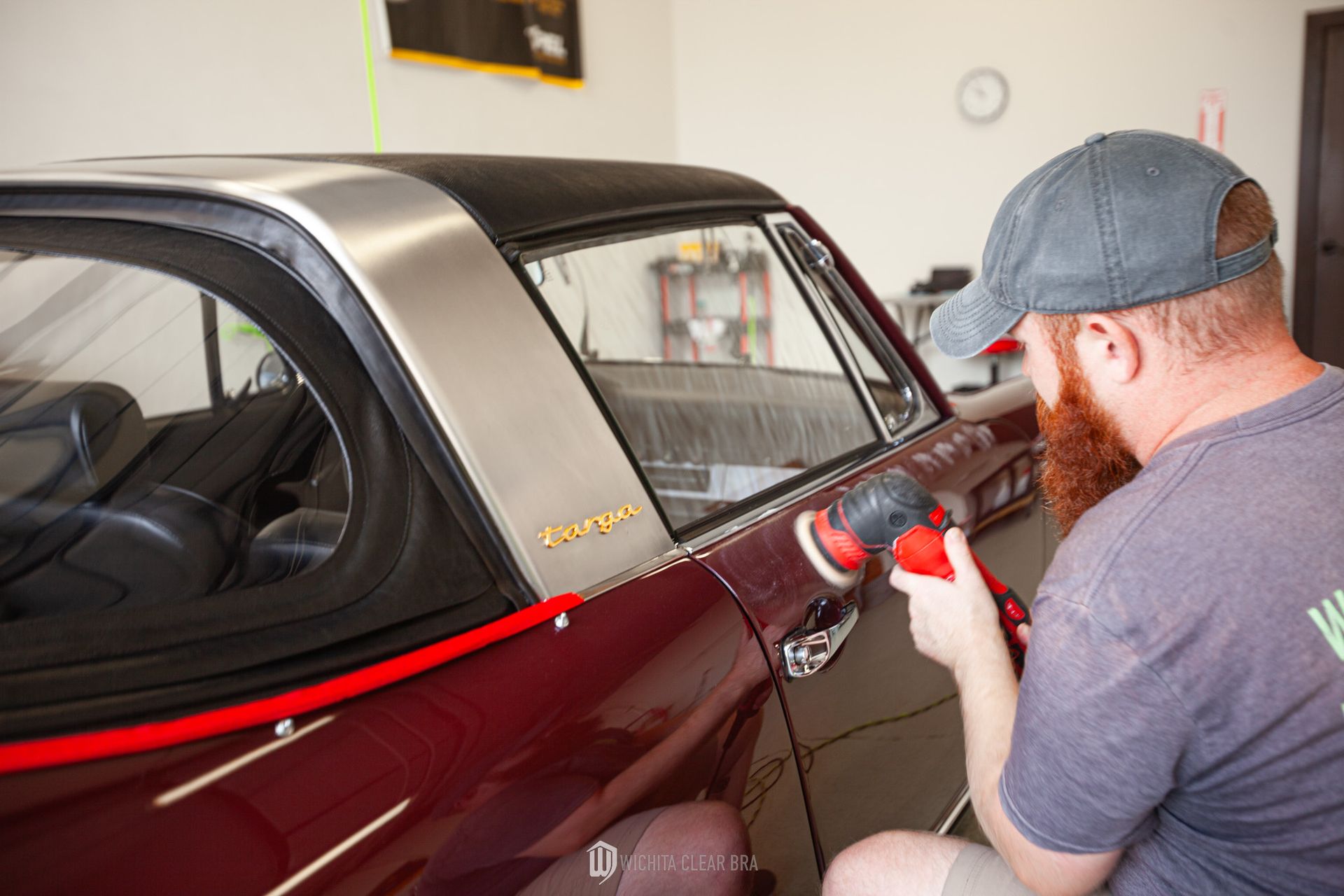
A 2-Step Paint Correction is a more intensive restoration process designed to remove deeper scratches, heavier swirl marks, water spot etching, oxidation, and other paint defects.
The first step levels the imperfections using a cutting compound. The second step refines the finish to restore maximum clarity, gloss, and depth.
This service is recommended for vehicles with moderate to heavy paint defects or for owners seeking the highest possible finish before applying paint protection film or ceramic coating.
BEST FOR
- Moderate to heavy swirl marks
- Deeper scratches (that haven't penetrated the clear coat)
- Oxidation
- Water spot etching
- Maximum gloss and clarity
Setting Expectations
No paint correction can guarantee 100% defect removal. Some scratches are too deep because they extend through the clear coat. A professional detailer preserves clear coat thickness by improving those defects rather than removing excessive paint. A good rule of thumb we use during the pre-inspection process, is if the scratch catches your finger nail when lightly dragging across it, it's likely too deep to be removed with polishing.
WHEN A PAINT CORRECTION WON'T WORK
- Deep scratches that are through the clear coat
- Clear coat failure from oxidation, peeling, flaking, severe hazing, or cracking
- Severe rust or metal exposure
- Deep factory runs or sags in paint/clear coat
For more information, check out our paint correction FAQ below or feel free to give us a call to find out more!
Frequently Asked Questions
What is paint correction?
Paint correction is the process of machine polishing your vehicle's clear coat to permanently reduce or remove swirl marks, light scratches, water spots, and other minor paint imperfections. Unlike waxes or glazes, paint correction removes defects rather than temporarily hiding them.
Will paint correction remove all scratches?
Not always.
Paint correction can remove many scratches that are within the clear coat, but scratches that extend through the clear coat into the paint or primer cannot be safely polished away. Our goal is always to achieve the best possible result while preserving the health of your paint.
How much of a difference will I see?
Most customers notice a dramatic improvement in gloss, clarity, and color depth.
The exact improvement depends on the condition of your paint before the service.
How long does paint correction last?
The correction itself is permanent.
How long your paint continues looking great depends on how it's maintained afterward.
Using proper wash techniques and protecting the paint with paint protection film or a ceramic coating will help preserve the results.
Should I get ceramic coating after paint correction?
It's highly recommended to do so, yes.
Ceramic coating locks in the freshly corrected finish and makes ongoing maintenance easier by adding hydrophobic properties and chemical resistance.
If you're on a tight budget, our Griot's Ceramic 3-in-1 Wax Service offers short term protection.
If I'm getting Paint Protection Film (PPF), do I still need paint correction?
We think the right answer to this depends on your goals.
Not every car needs a paint correction before installing PPF and a lot of the time, in our experience, PPF can actually hide light swirls and bug etchings in the paint.
If you're someone who is just interested in protecting a new vehicle from paint chips, we might not recommend a correction beforehand.
However, If your goal is to start with a near perfect paint surface before PPF, then a correction might be for you.
How long does the service take?
Depending on the vehicle size and condition, paint correction typically takes anywhere from several hours to multiple days.